
Deadline Afterlife Processing Line Speed: Upgrades and Queue Mechanics
Deadline Afterlife Processing line speed dictates how quickly deceased subjects roll down the conveyor track to Station 9. Purchasing Rail Grease and feed lever adjustments from the requisition catalog cuts waiting downtime between evaluations, preventing unprocessed souls before the shift clock expires.
Deadline Afterlife Processing line speed dictates how quickly deceased subjects roll down the conveyor track to Station 9. Purchasing Rail Grease and feed lever adjustments from the requisition catalog cuts waiting downtime between evaluations, preventing unprocessed souls before the shift clock expires.
How the Soul Line Operates at Station 9
Every shift in the Dispositions Section begins by clocking in at the time recorder lever. Once clocked in, deceased subjects arrive through an automated overhead track that feeds glass soul orbs directly toward the workbench. Pulling the intake lever calls the next soul in line down the rails.
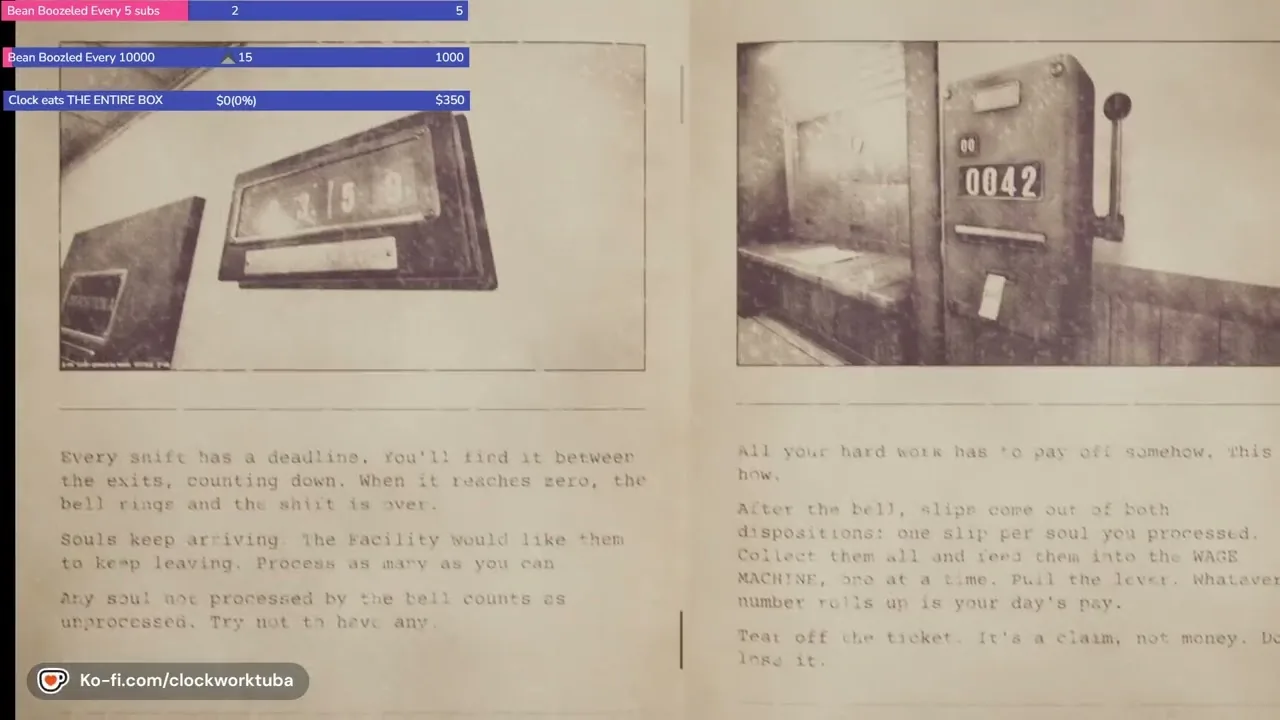
Starting on shift two, administrative services introduces a wall clock counting down each work shift, typically granting seven minutes to process six or seven souls. Souls that remain on the rails or at the workstation when the timer hits zero count as unprocessed. Unprocessed souls produce no payment slips, directly limiting the funds you take to the reconciliation counter. Keeping track delivery fast prevents late-shift bottlenecks from cutting into your daily earnings.
Requisition Upgrades for Line Speed and Delivery
After feeding your post-shift slips into the wage machine and printing a wage ticket, you can purchase station modifications from the requisition catalog at the window counter. Two distinct upgrades directly alter how rapidly incoming subjects enter your workspace:
- Rail Grease: This upgrade costs 15 credits. It lubricates the metal tracks, freeing sticky mechanisms so incoming soul orbs roll down the delivery chute sooner after the feed lever gets pulled.
- Feed Lever Adjustment: Listed as a lighter pull modification, this purchase reduces mechanical resistance on the line lever, bringing each subsequent subject into reach faster.
Combining these line upgrades with press upgrades that quicken the verdict die cuts down idle seconds between consecutive judgments. Every order requires a handwritten signature with the desk pen before leaving the window, after which maintenance installs the modifications before the next shift starts.
Comparing Station Efficiency Options
Station 9 features several separate mechanical upgrades in the catalog. Deciding which speed upgrade to prioritize depends on which phase of the processing routine slows down your shifts.
| Station Upgrade | Primary Operational Effect | Cost and Trade-off |
|---|---|---|
| Rail Grease | Frees sticky track mechanisms so soul orbs roll down the line sooner | 15 credits; accelerates queue arrival but does not alter text display or transit speed |
| Feed Lever Modification | Lightens lever pull resistance to call the next soul into position faster | Low credit cost; reduces line latency but still requires manual lever activation |
| Terminal Processor | Accelerates amber text readout speeds for the three life fragments | 15 credits; speeds up information intake without moving physical soul orbs |
| Boot Upgrades | Increases operator movement speed across the station floor | Tier 1 costs 20 credits, Tier 2 costs 40 credits; saves transit seconds to disposal hatches rather than line delivery |
Players who find themselves waiting on the delivery track gain immediate value from Rail Grease. Operators who lose time walking between the press and Disposition A or Disposition B benefit more from saving up for boot upgrades.
Managing Shift Pacing Against the Deadline Clock
Securing high line speed helps ensure all incoming souls reach the press before the bell rings, but rapid delivery must pair with accurate adherence to station rules. Each soul presents three biographical fragments on the terminal display. The facility audits ruling decisions overnight through random ten percent samplings, logging mistakes in red ink within the audit drawer.
When a soul arrives from the line, verify applicable directives on the wall board before pulling the heavy commit lever. The operator must stamp the red seal onto the orb, carry it to the matching disposal chute, and let the proof slip drop into the tray. Once the bell signals the shift conclusion, take all slips to collect wages from the machine. Maintaining swift line transit ensures no souls get left behind on the rails when the clock runs out.
Related Guides
Station Automation
Review how automation mechanics work in Deadline Afterlife Processing through catalog requisition orders, terminal upgrades, and mechanical line modifications.
Demo Gameplay
Examine Station 9 mechanics, amber screen soul records, and catalog upgrades showcased in clean no commentary gameplay.